
Rural Organisations for Social Affairs (ROSA)

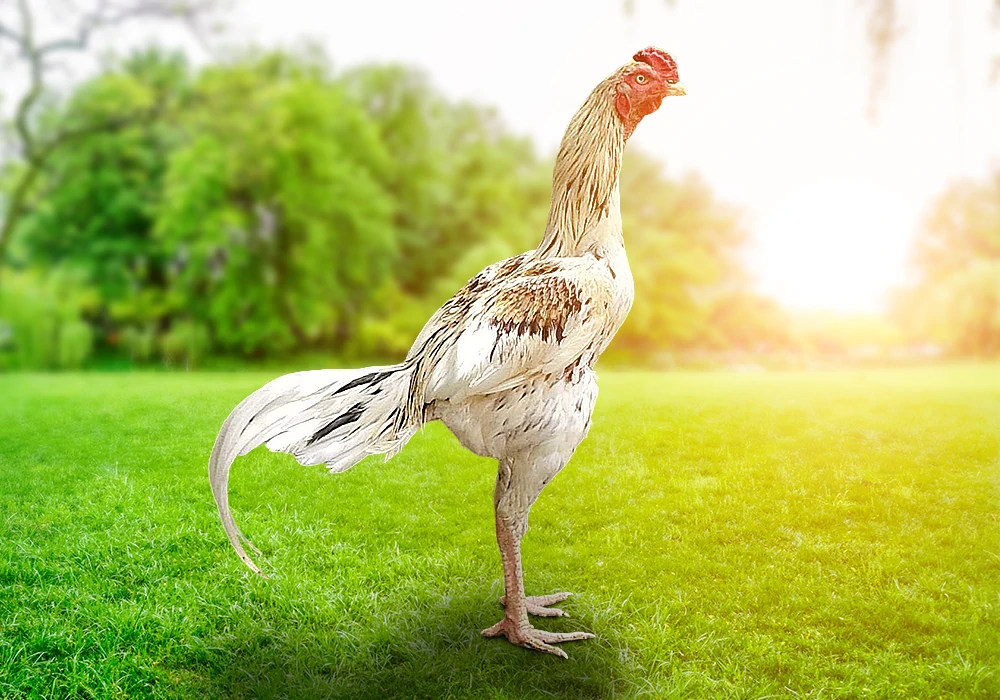
Relying solely on seasonal traditional crop cultivation leaves rural and peri-urban families highly vulnerable to climate shocks and unpredictable economic downturns. To mitigate these systemic financial strains, the Asil Chicken Farm Project was conceptualized as a dedicated livelihood diversification initiative. The project targets communities with viable agricultural space but severely restricted income avenues. By introducing structural, high-value indigenous poultry farming, the initiative addresses the root causes of rural poverty and malnutrition, aiming to build an independent, reliable, and year-round source of alternative cash flow for vulnerable households.
Implementation begins with the careful identification of participants through local agricultural cooperatives. ROSA NGO delivers comprehensive technical training covering scientific poultry rearing, bio-security measures, disease management, and entrepreneurial business skills. Following training, participants receive comprehensive starter kits containing high-breed Asil chickens, specialized feed, and modern shelter equipment. To ensure flock health and minimize asset mortality risks, the project coordinates regular veterinary support and vaccination camps. Furthermore, field teams actively facilitate direct market access by linking poultry producers directly with urban restaurants, retail buyers, and commercial catering channels.
The project drives rapid socioeconomic upliftment by converting traditional households into profitable micro-poultry enterprises. In the short term, participants secure a steady, daily income stream through the sale of organic eggs and premium Asil poultry meat, which also directly improves household nutritional intake. Long-term outcomes focus on the development of resilient business acumen and localized entrepreneurship skills among rural women and youth. By maintaining ongoing market collaborations and fostering eco-friendly waste management, the initiative creates a highly sustainable, self-replicating economic model across regional agricultural belts.
Visitors can securely use our site to contact us or join programs. All personal data is strictly protected on encrypted cloud servers.
Yes, we welcome partnerships. We actively collaborate with PKSF, government bodies, and agro-tech platforms like GrowUp.
We maintain a 98.5% loan recovery rate under MRA rules. Our funds are managed via ERP software and audited annually by external firms.
Our programs focus on smallholder farmers, low-income rural women, youth, and physically or mentally challenged individuals.
We provide 25,000+ farmers with high-quality seeds, training, and smart technology. We also connect them directly to corporate markets.