Project Objectives: Facilitates access to education by providing essential learning tools (notebooks and pens) to economically disadvantaged students. Aims to create an environment conducive to active learning. Geographical Focus: Implemented in rural and economically disadvantaged areas lacking educational resources. Implementation Strategy: Collaborates with schools and community leaders to identify beneficiaries. Procures supplies in bulk, often locally, for cost-effective distribution. Organizes positive, inclusive distribution events. Community Involvement: Involves parents, teachers, and community leaders to tailor the project to local circumstances. Impact: Enhances regular attendance and active participation in the learning process. Contributes to improved overall academic performance. Sustainability: Explores partnerships with local businesses, educational institutions, and government agencies. Monitoring and Evaluation: Assesses academic performance and gathers feedback from educators and parents. Partnerships: Seeks support from educational institutions and philanthropic individuals. Get Involved: Encourages donations to empower underprivileged students to pursue their educational aspirations.
Project Objectives: Ensures individuals in underserved communities have access to quality healthcare services regardless of economic status. Empowers communities with knowledge on preventive health practices. Geographical Focus: Strategically targeted at rural and marginalized communities with limited healthcare access. Implementation Strategy: Operates mobile health clinics for basic check-ups, vaccinations, and screenings. Partners with healthcare institutions for specialized diagnostics and treatments. Deploys trained community health workers to facilitate education and screenings. Community Involvement: Engages communities to understand specific health needs, ensuring cultural sensitivity. Preventive Health Education: Designs educational programs and workshops to raise awareness about hygiene, nutrition, and regular check-ups. Impact: Improves health outcomes through timely medical interventions. Fosters a culture of self-care, leading to more resilient communities. Sustainability: Establishes long-term capacity-building and institutional partnerships with healthcare providers. Monitoring and Evaluation: Tracks health indicators and participation rates in education programs. Partnerships: Seeks collaborations with pharmaceutical companies, government agencies, and healthcare institutions. Get Involved: Invites contributions to make healthcare a fundamental right for all.
Project Objectives: Ensures individuals who pass away and remain unclaimed receive a dignified and respectful final resting place. Focuses on compassionate handling, acknowledging the humanity of each individual. Geographical Focus: Implemented in urban centers and regions with high population density where unclaimed bodies are more prevalent. Implementation Strategy: Collaborates with local authorities, hospitals, and morgues to identify unclaimed bodies. Engages trained personnel to handle burials with care and compassion. Incorporates simple ceremonial practices to honor the deceased. Community Involvement: Raises awareness within local communities to foster understanding, empathy, and support for the initiative. Impact: Provides dignified closure for the deceased. Contributes to community sensitization regarding compassion and respect for all. Sustainability: Maintains ongoing collaborations with healthcare institutions and authorities, supported by continuous training programs.Monitoring and Evaluation: Refines implementation based on feedback from community members and authorities. Partnerships: Works closely with local authorities, healthcare institutions, and religious organizations. Get Involved: Invites support to promote empathy and compassion for all individuals in their final moments.
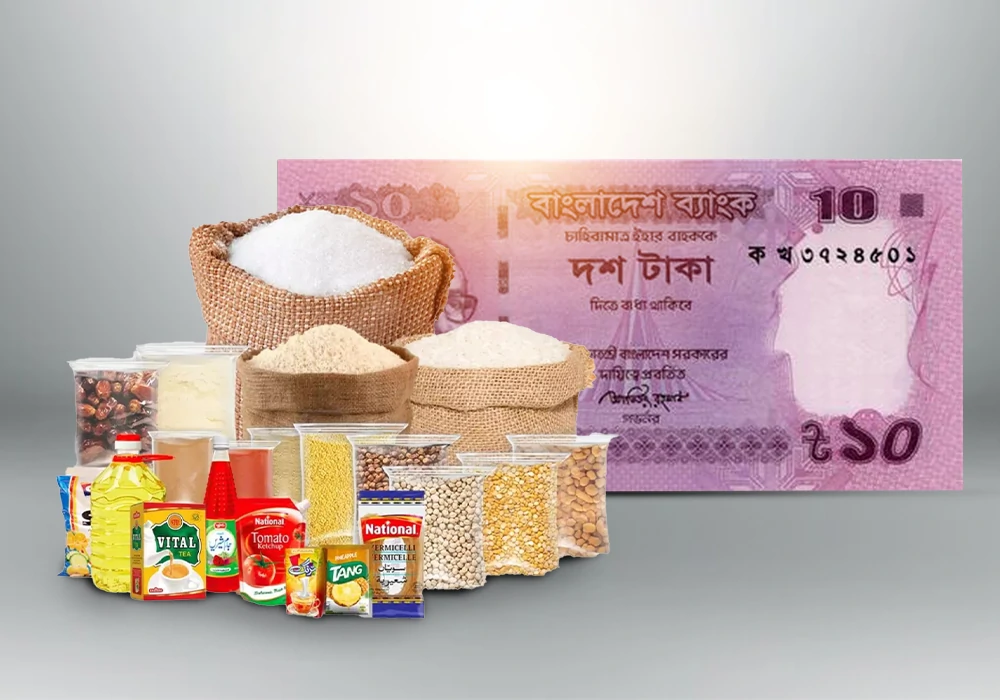
Project Objectives: Makes nutritious food accessible to individuals facing economic challenges by offering it at an affordable cost of 10 Taka. Seeks to combat food insecurity and ensure access to balanced meals. Geographical Focus: Focuses on marginalized communities where food insecurity is prevalent. Implementation Strategy: Establishes cost-effective community kitchens. Sources ingredients locally whenever possible to support local farmers and the community economy. Community Involvement: Collaborates with community leaders to ensure the project is culturally sensitive and responsive to unique local challenges. Impact: Provides crucial nutritional support that contributes to overall health. Promotes social cohesion and community building by bringing people together around shared meals. Sustainability: Implements cost-effective measures and leverages local business partnerships to ensure ongoing affordability. Monitoring and Evaluation: Relies on beneficiary feedback, nutritional assessments, and community surveys for continuous improvement. Partnerships: Partners with local businesses, food suppliers, and philanthropic individuals. Get Involved: Welcomes donations and volunteers to ensure affordable meals reach those in need.
Project Objectives: Creates diverse employment opportunities to lift the Fakir-Miskin community out of poverty. Initiatives include Fisheries (aquaculture training), Tailoring (skill development), Vegetable Selling (farming and market training), Desi Asil Chicken Farming (poultry training), Biogas Production (unit construction/maintenance), and Cooperative Shops (community retail). Implementation Strategy: Conducts thorough needs assessments to identify key areas for skill development. Designs comprehensive training programs focused on business management and sustainable practices. Mobilizes necessary financial and material resources. Community Involvement: Actively involves the community in planning and implementation to ensure cultural sensitivity. Impact: Lifts individuals out of poverty through sustainable economic empowerment. Enhances employability and entrepreneurial capabilities through skill development. Fosters community growth and self-reliance. Sustainability: Focuses on continuous capacity-building programs so members can sustain projects independently. Establishes market linkages to connect locally produced goods to broader markets. Partnerships: Seeks partnerships with government agencies and businesses to expand impact. Get Involved: Encourages financial contributions and skill-sharing to empower marginalized communities.
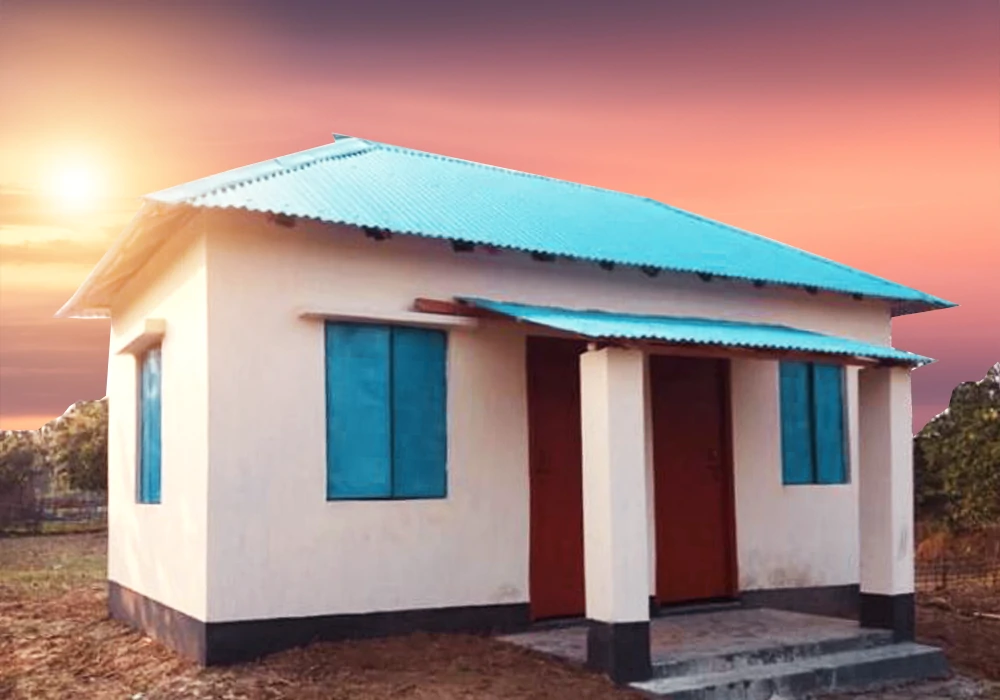
Project Objectives: Provides safe, stable, and dignified housing for individuals and families experiencing homelessness. Goes beyond housing to offer holistic support including healthcare, education, and employment opportunities. Geographical Focus: Implemented in urban and suburban regions with a high prevalence of homelessness. Implementation Strategy: Collaborates with established shelter providers to identify those in need. Offers both transitional and permanent housing solutions catering to diverse needs. Community Involvement: Actively engages with social service agencies and advocacy groups to address the root causes of homelessness in a community-driven manner. Impact: Creates stability and security, providing a conducive environment for rebuilding lives. Improves mental and physical well-being through combined housing and support services. Sustainability: Establishes a network of support with healthcare institutions, educational organizations, and employers. Monitoring and Evaluation: Regularly assesses housing stability, employment status, and overall well-being. Partnerships: Partners with local governments, housing providers, and healthcare institutions. Get Involved: Invites corporate and individual contributions to help families transition to a secure future.
Project Objectives: Ensures Madrasahs have an ample supply of the Quran Sharif to support religious education. Aims to enhance religious literacy and foster a deeper appreciation of Islamic teachings among students. Geographical Focus: Strategically implemented in Madrasahs situated in regions with limited access to religious texts. Implementation Strategy: Procures high-quality, accurate copies from reputable publishers and distributors. Ensures inclusive distribution to Madrasahs serving remote or underserved communities. ● Community Involvement: Engages Madrasah administrators and teachers to ensure the distributed texts align with local curricula and cultural contexts.Impact: Enriches the educational experience by providing foundational texts. Contributes to the preservation of cultural and religious heritage.Sustainability: Establishes long-term partnerships with publishers, explores digital resources, and supports educational infrastructure. Monitoring and Evaluation: Monitors academic performance indicators and gathers continuous feedback from Madrasahs.Partnerships: Collaborates with Islamic scholars, publishers, and philanthropic individuals. Get Involved: Welcomes donations and partnerships to foster spiritual development in students.
Project Objectives: Facilitates the admission of orphans and street children into Madrasahs and orphanages to ensure access to formal education and a stable living environment. Aims for holistic development including character-building and life skills training. Geographical Focus: Focuses on urban and semi-urban regions where these children face barriers to accessing education and stable housing. Implementation Strategy: Collaborates with reputable Madrasahs and orphanages to ensure a secure environment. Establishes scholarship programs covering tuition fees, school supplies, and additional academic support. Community Involvement: Engages religious leaders and social workers to identify children in need using a culturally sensitive approach. Impact: Empowers children with formal education and knowledge for a brighter future. Provides a nurturing living environment for children without homes. Sustainability: Maintained through long-term institutional partnerships and ongoing mentorship programs. Monitoring and Evaluation: Assesses academic progress, emotional well-being, and community integration to improve the initiative. Partnerships: Seeks collaborations with Madrasahs, educational institutions, and philanthropists. Get Involved: Invites individuals and organizations to donate and volunteer to build brighter futures for these children.
Project Objectives: Promotes the health and well-being of newborns by providing essential care and resources. Empowers parents with the knowledge needed to foster a supportive environment for early childhood development. Geographical Focus: Implemented in areas where access to infant care resources is limited, particularly communities facing economic challenges. Implementation Strategy: Collaborates with clinics to provide vaccinations, check-ups, and medical interventions. Organizes workshops to educate parents on breastfeeding, nutrition, hygiene, and recognizing early health issues. Community Involvement: Actively engages with healthcare providers and community leaders to tailor the project to specific local circumstances. Impact: Contributes to improved overall health outcomes for newborns. Empowers parents to positively influence the physical and emotional development of their infants. Sustainability: Establishes long-term partnerships with healthcare and educational institutions to provide support beyond the initial project phases. Monitoring and Evaluation: Utilizes parent feedback, healthcare professional input, and health outcome assessments to refine the initiative. Partnerships: Partners with pediatricians, healthcare institutions, and educational organizations. Get Involved: Encourages donations and volunteering to ensure a healthy start for newborns and their families.